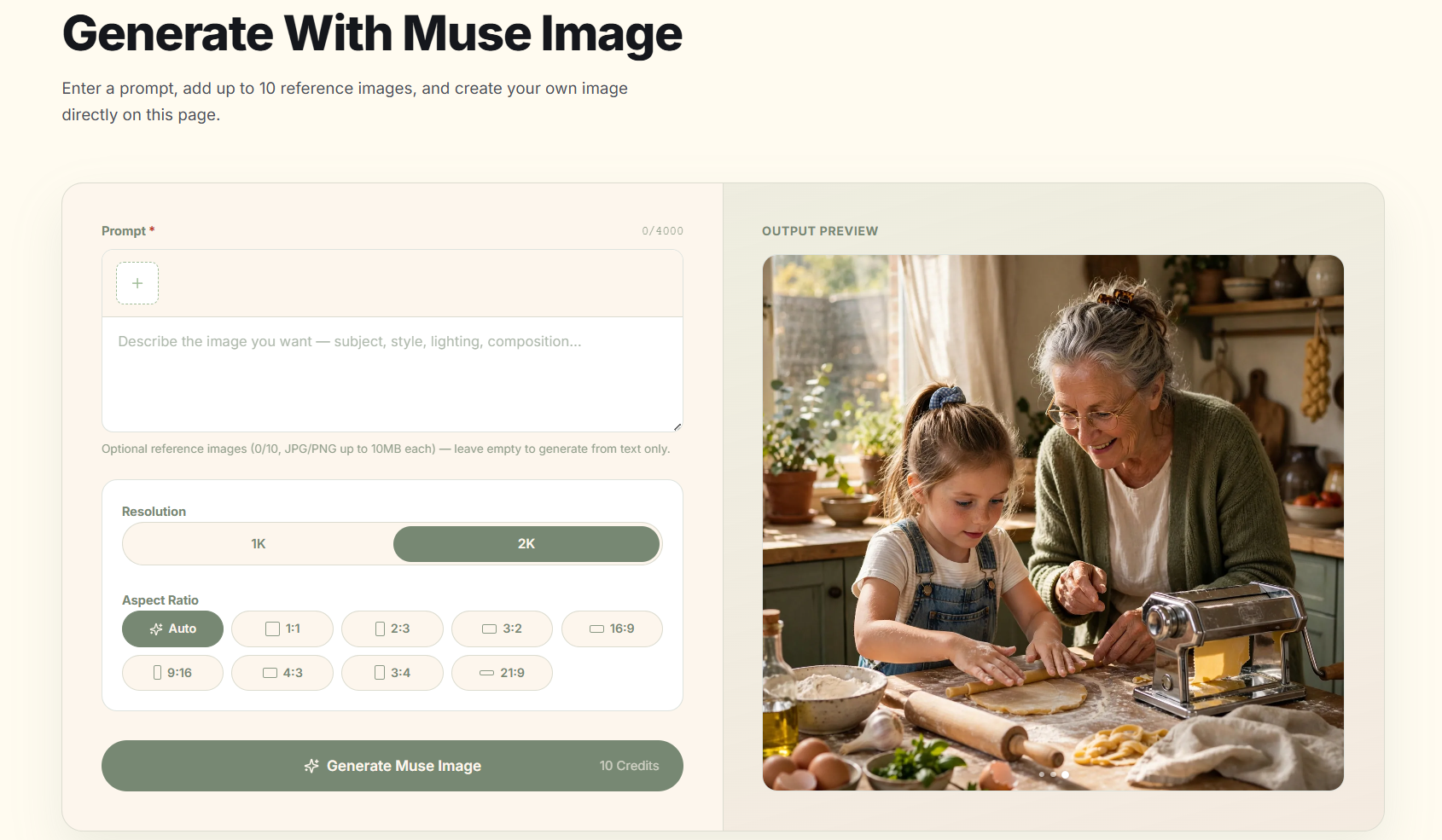
Over the past year, I've noticed something interesting about the AI image generation space. Every time a new model is announced, social media fills with screenshots, benchmark comparisons, and opinions within hours. But when I actually want to learn how a new model works, what it can do, or how it compares with existing tools, the information is usually scattered across blog posts, X threads, videos, and documentation. I found myself spending more time searching than creating. That became especially obvious when Meta introduced Muse Image. The announcement highlighted improvements in prompt understanding, image editing, multi-reference composition, and creative workflows, but practical information was spread across multiple sources. Instead of bookmarking dozens of pages, I decided to organize everything in one place. Building the project wasn't about launching another AI tool. It was about creating a resource that I personally wanted to use. While working on it, I realized something that probably applies to many founders: sometimes the simplest products solve the biggest frustrations. Rather than trying to compete with image generation models themselves, I focused on helping people understand them. As I collected information, I also started organizing topics that creators actually care about: * What makes Muse Image different? * How should prompts be written? * Which creative workflows are worth testing? * What kinds of projects benefit from reference images? * How might the model fit into existing design workflows? Those questions seemed far more useful than simply listing features. Another thing I learned is that creators don't necessarily need another AI model every month. They need better ways to evaluate new models, compare capabilities, and prepare before adopting them. That's why I built Muse Image as a focused resource instead of another generic AI directory. The project continues to grow as new information becomes available, and I expect it to evolve alongside the broader AI image ecosystem. Building this also changed the way I think about startup ideas. Not every founder needs to invent groundbreaking technology. Sometimes the opportunity comes from organizing information better, reducing friction, or making complex topics easier to understand. Those improvements may seem small individually, but together they create real value for users. I'm curious how other founders approach this. When a major AI model is announced, do you immediately start building with it, or do you spend time understanding the ecosystem first? I'd love to hear how other builders decide when a new technology is actually ready to become part of their workflow.