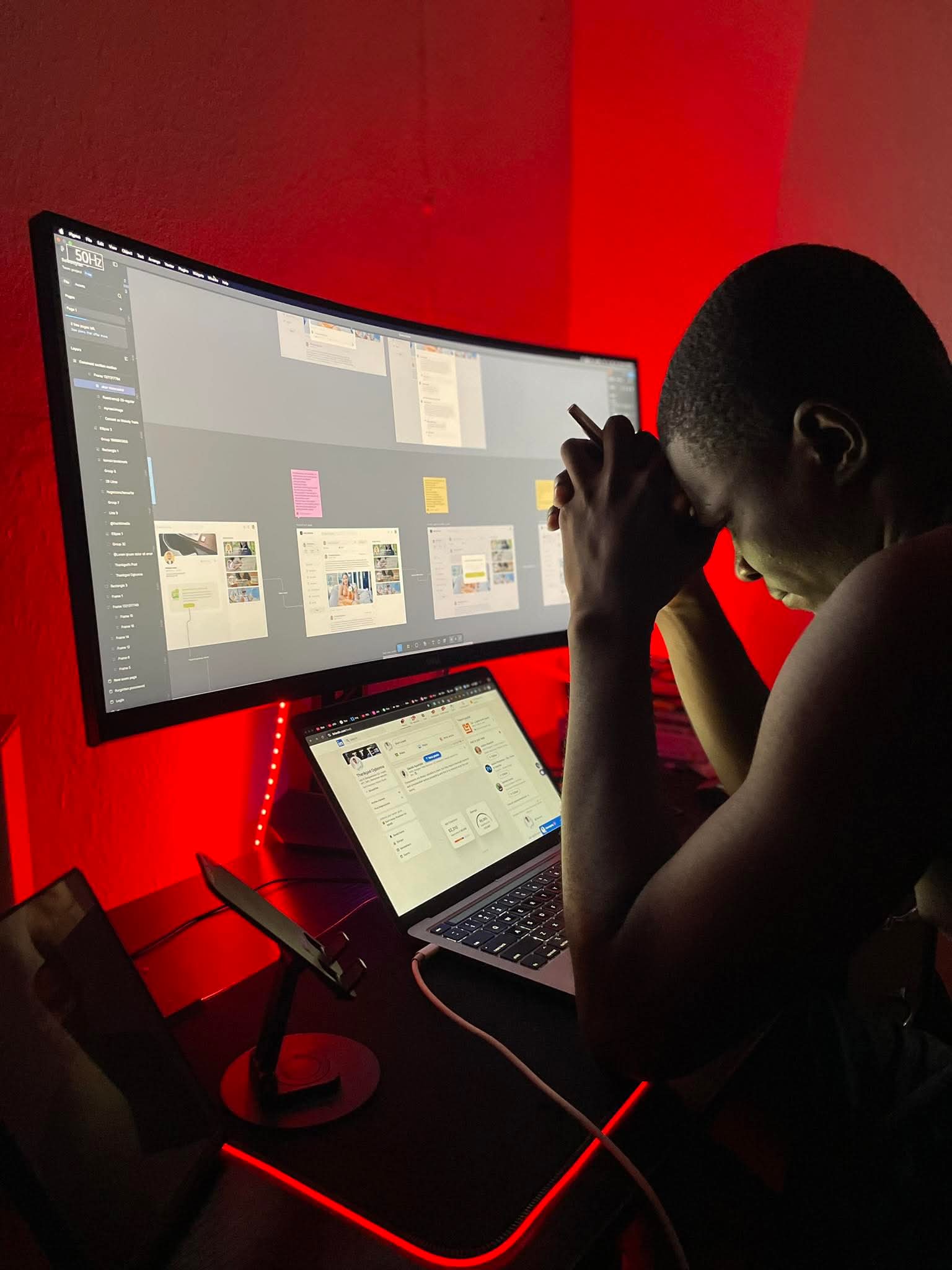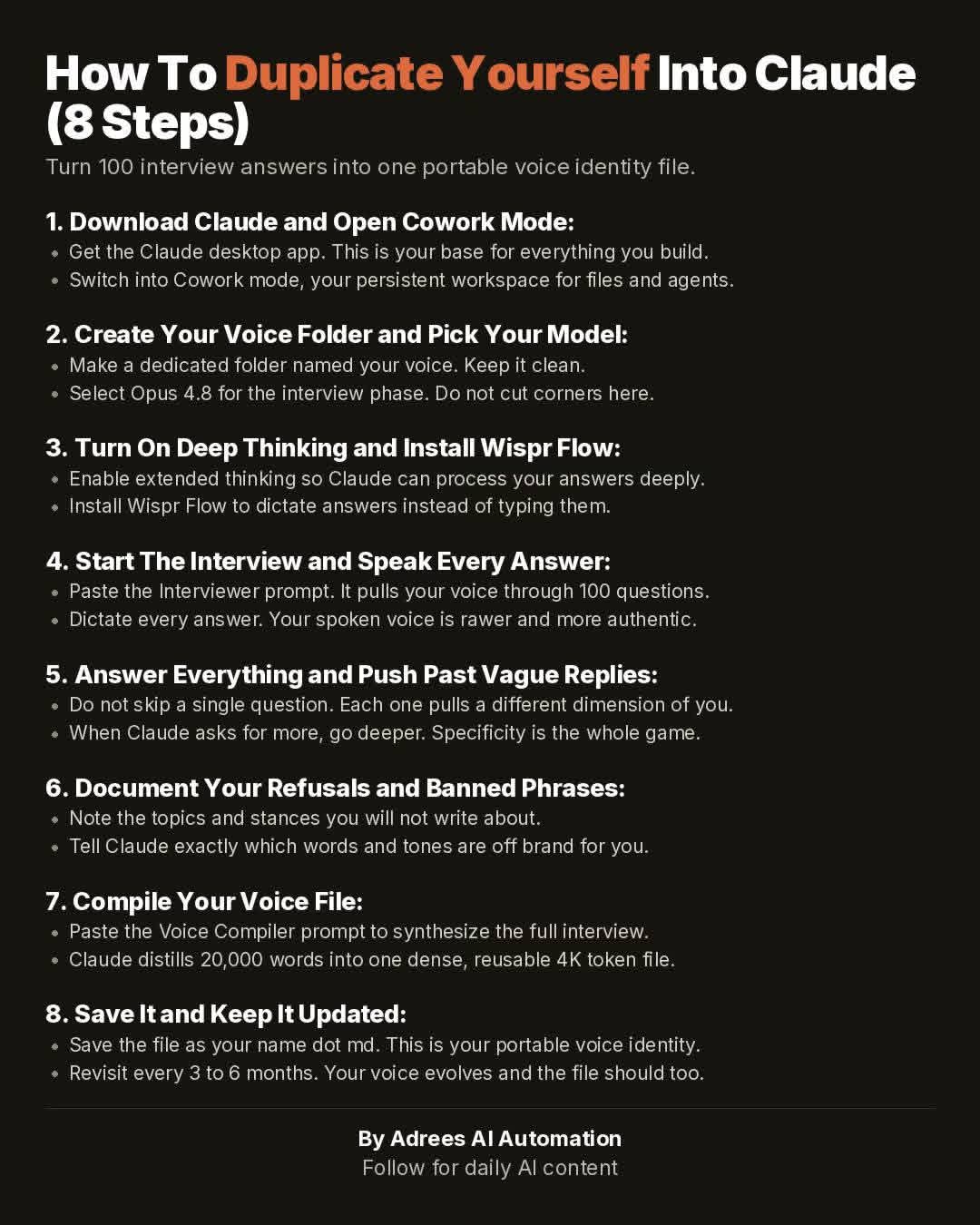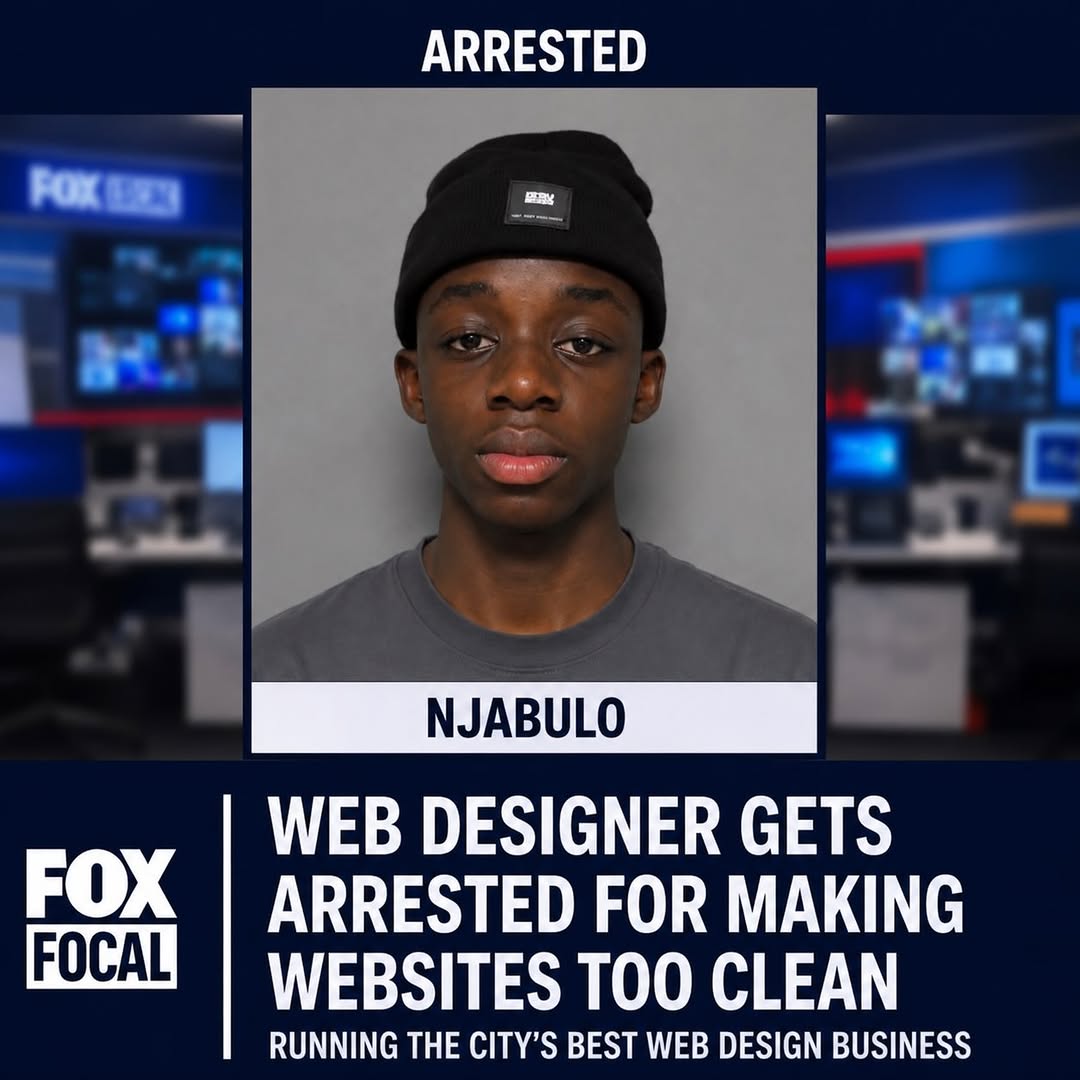
This is beautiful i recently started creating and experimenting with AI image models and the images attached are my testings lol i nailed it with realistic prompting guys which model performs best share your thought
Discussions
Conversations about building, growth, and strategy
Validate before you build - the 2-week sprint that saved me 3 months
The distribution mistakes killing early-stage startups
Started with just an idea, turned it into a moodboard, generated visuals, shaped the design, and pushed it live. Crazy how fast you can go from concept → launch with the right tools now.
We tripled our prices and revenue went up here is what we learned
I've spent the last several months building PrivacyKit, a GDPR consent management platform. I built it because I became frustrated with how most CMPs stop at collecting consent and leave enforcement and validation to the customer. Most compliance scans I've tested tell you which cookies they found. I want to know which trackers are running, when they're running, and whether they're respecting user consent. So I built PrivacyKit to cover consent collection, consent enforcement, and runtime compliance validation in one platform. The challenge now isn't building the product. It's building trust. I genuinely believe I have something better than most of the alternatives I've looked at. The problem is that being right about the product doesn't make people buy it. What I need most right now is proof. Proof that real websites are using PrivacyKit. Proof that it works in production. Proof that founders trust me enough to put it on their own sites. If you're a founder running your own website, preferably with a real brand and real traffic, I'd love to work with you. In return, you'll get 6 months free using code FOUNDINGCUSTOMER, direct access to me as the developer, and my full attention when it comes to onboarding, support, and feedback. My hope is simple: help a handful of founders improve their GDPR compliance, learn from real-world usage, and earn the references and case studies needed to get this business moving. If that sounds interesting, I'd love to hear from you. https://www.privacykit.eu?promo=FOUNDINGCUSTOMER
So I just joined X and am trying to get familiar with some X Influencer So this is me following many account with some good influence but I first take screenshot so incase I procrastinate I will always catch later
When I first started building, I thought I'd need a perfect system for everything. The perfect task manager. The perfect morning routine. The perfect folder structure. The perfect productivity setup. I spent way more time thinking about how I was going to work than actually working. Now I'm realizing a lot of things I thought were important barely move the needle at all. Some days the only thing that really matters is shipping something, replying to users, and showing up again tomorrow. I'm curious if anyone else has had the same experience. What's one founder habit, tool, routine, or piece of advice you thought would matter a lot but ended up making almost no difference?
I almost jumped on the Claude Fable hype. For about 24 hours it felt like everyone was talking about it. People were sharing demos, posting threads, showing what they built with it on X, and making it sound like the next thing every founder should be using. Then almost as fast as the hype arrived, the headlines changed. Watching it unfold made me realize how risky it can be to build core parts of a product around something you've only known for a day or two. Maybe I move too slowly, but moments like this make me glad I didn't rush to integrate it into anything important. Now I'm curious about the founders who actually did. Did anyone here use Claude Fable in a real project, even as a test? What did you build with it, and was it actually better than the alternatives or was the hype bigger than the results?
They specifically requested internal flow first to be picked up; something real critical was the share modal. Their users were inviting teammates to the platform. But the invite flow was so broken, 40% of invites never landed. The original: → manually type full email (no autocomplete) → typo? invitation goes nowhere. no error. → pick from 5 role options nobody understood → no way to know who already has access They were losing signups to a SHARE BUTTON. Here's what we shipped in 4 hours: 1/ autocomplete on email input → 3 letters in, match appears, one tap → typo rate dropped to zero 2/ roles simplified to 3: editor, commenter, viewer → nobody needs "super-admin" on an invite modal 3/ visible access list with clear labels → "who can see this?" answered instantly → no settings page. no second screen. One modal. One input. One action. The $8K wasn't for rebuilding the product. It was for making the product people already built actually usable. Most MVPs don't have a feature problem. They have a flow problem. We fix those. In days, not months.
One thing I've noticed since starting to work on my own product is that I check social media way more than my email. Which feels backwards. A lot of important stuff happens through email. User replies, partnership requests, signups, support messages, random opportunities you weren't expecting. Yet somehow I can refresh X, LinkedIn, and Reddit 20 times a day but forget to open my inbox for hours. I'm also starting to wonder how other founders handle this. Do you keep one email for everything or separate emails for support, partnerships, product updates, and personal stuff? And are people still using Gmail for most of their work, or do you prefer having your own domain email from day one? Part of me likes seeing [myname@company.com](mailto:myname@company.com), but part of me feels Gmail is just easier. Trying to figure out what habits are actually worth building early before things get messy. Would love your point on this.