I'm starting to run into a problem I didn't really think about when I launched. Most of my users are on the free plan. Which is fine. I actually want people to be able to try the product without pulling out a credit card. The problem is that "free" isn't actually free for me. Every user creates some cost somewhere. Database storage. API requests. File storage. Bandwidth. Emails. Background jobs. Third-party APIs. When I had 50 users, I barely noticed any of it. At 500, I started paying attention. Now I'm looking at what happens if usage grows another 10x and I'm realizing that I can't just keep adding free users forever without understanding the unit economics. The confusing part is that I don't want to put artificial limits everywhere. For example, telling someone they can only use the product 5 times a month might make my costs predictable, but it could also prevent them from getting enough value to ever become a paying customer. At the same time, I don't want someone using a feature heavily for free while I'm quietly paying more to serve them than they will ever pay me. So I'm trying to figure out where other founders draw the line. Do you put limits on the free plan based on actual infrastructure cost? Do you let free users consume as much as they want and rely on a small percentage converting? Or do you only restrict the expensive features? I'm especially curious about products where the cost per active user isn't close to zero. At what point did you realize your free plan was becoming an actual expense instead of just a growth strategy?

Data Analyst Breakwater Consulting
Data Analytics at Breakwater Consulting
Nick's Posts (2)
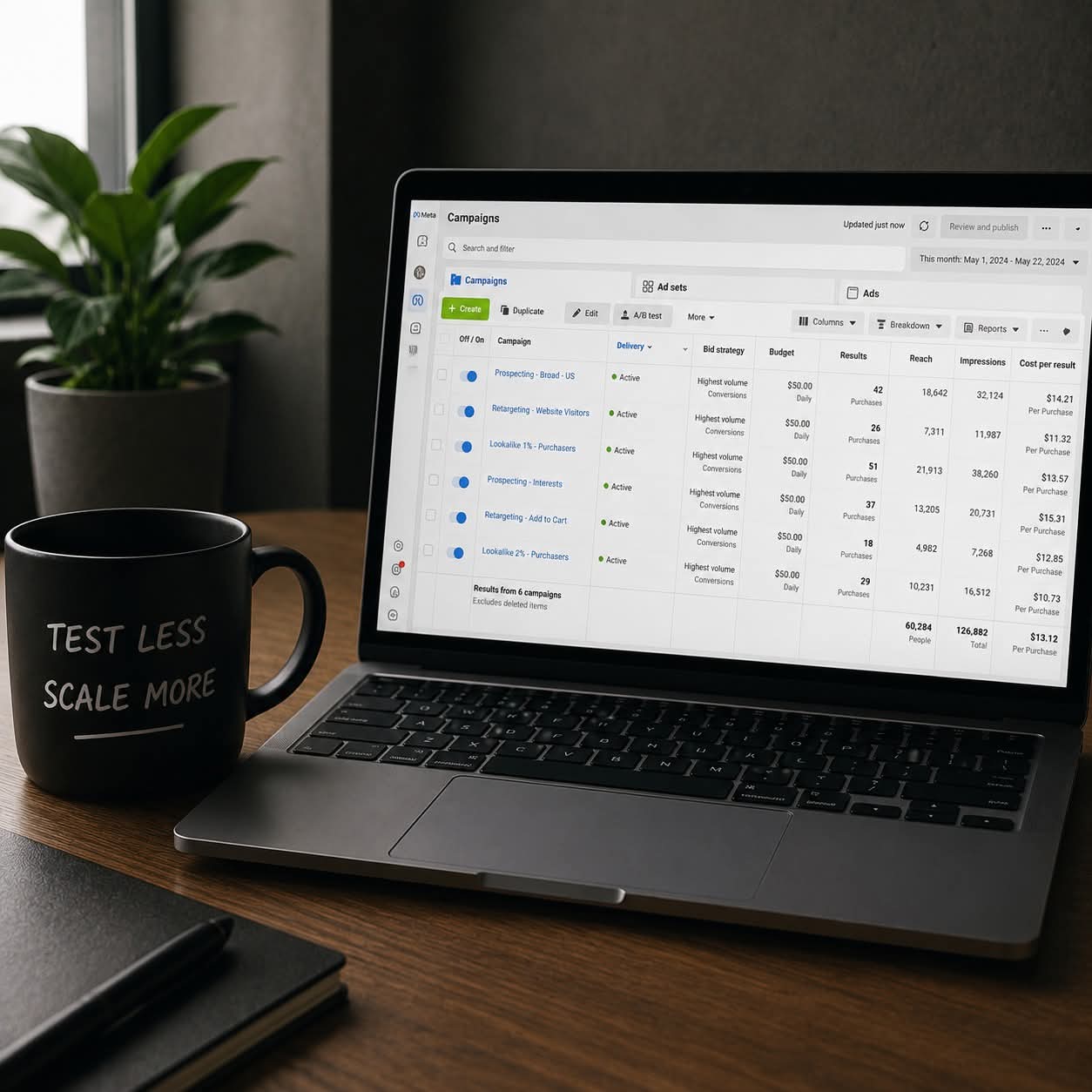
"The month I tested 20 A/Bs and learned nothing" Most people running Meta ads want to keep control of targeting. I get it. But at a small budget that's usually the wrong thing to be protecting... Here's what happened that changed how I think about it. I had a client, restricted budget, and we were testing hard. 20 A/Bs a month. And we were stuck. Results wouldn't move. At some point I made a call: maybe we're not testing the angle, we're just drowning it. Too many variables, not enough spend behind any of them to ever get clean data. So we did the opposite of what felt right. We tested less. Cut it to about 20% of what we were doing and let Advantage+ take over the rest — let it develop, gather data, do the targeting. Two weeks later we doubled the previous month's results at a lower CPA. Less work. Better results. No brainer. Here's how I actually decide now, by budget: Under $5-10/day per ad set: don't expect to test anything. There's no data down there. If you just need your message in front of the right people, use detailed targeting and take what comes. Bigger, but under ~$3k/month: go Advantage+. Meta is strong enough today to get you real performance, and you don't have the volume to test targeting manually anyway. Spending more, with real funnel levels: now use your own data and custom audiences. Before that, there's a high chance you don't have enough data and it ends up all over the place. And when someone tells me they don't want to give Meta control? Meta wants you to spend money. To do that they trained a machine on billions of dollars of ad spend to limit your testing and find your buyers. On average it gets better results. Yes, sometimes it shows your ad to someone completely off. But it also shows it to people you'd never have targeted — buyers no manual detailed-targeting setup would ever have found. So why not give it a shot? Advantage+ won't test your placements for you. But it'll test your angle. And the angle is the first thing you need to get right before anything else matters. Curious where people land on this — are you still targeting manually, or have you handed it over?