Opinion: If Google is deliberately feeding fake search results to scrapers, how can we trust the SEO tools we've been paying for? I saw this post on X, and honestly, it raises some serious questions. According to research published by Nozzle, Google has allegedly been serving normal-looking search results with completely different websites swapped in, making them appear legitimate to rank trackers and scrapers. Their research analyzed millions of search results and found that 8% of the results they could evaluate since September showed signs of this behavior. The problem? Your website could appear to have dropped in rankings when the change might not have happened in actual Google Search. As someone building a startup and paying attention to SEO, this is concerning. Imagine spending months building backlinks, publishing content, and optimizing your website, only for your SEO tool to tell you that your rankings have crashed. You panic, start changing things, and potentially damage what's already working. But here's what I'm wondering: Is Google protecting its search index from AI companies, or is it creating a bigger problem for everyone who depends on search data? I haven't seen enough evidence to conclude that every claim about Google's intentions is correct, but the findings are worth investigating. What do you think? Should we trust third-party SEO tools as much as we used to, or should Google Search Console be our primary source of truth?

Founder - Om Media Group
We help entrepreneurs, influencers, and established companies grow their media presence, build strong brand credibility, and 10X their business.
Ravi's Posts (2)
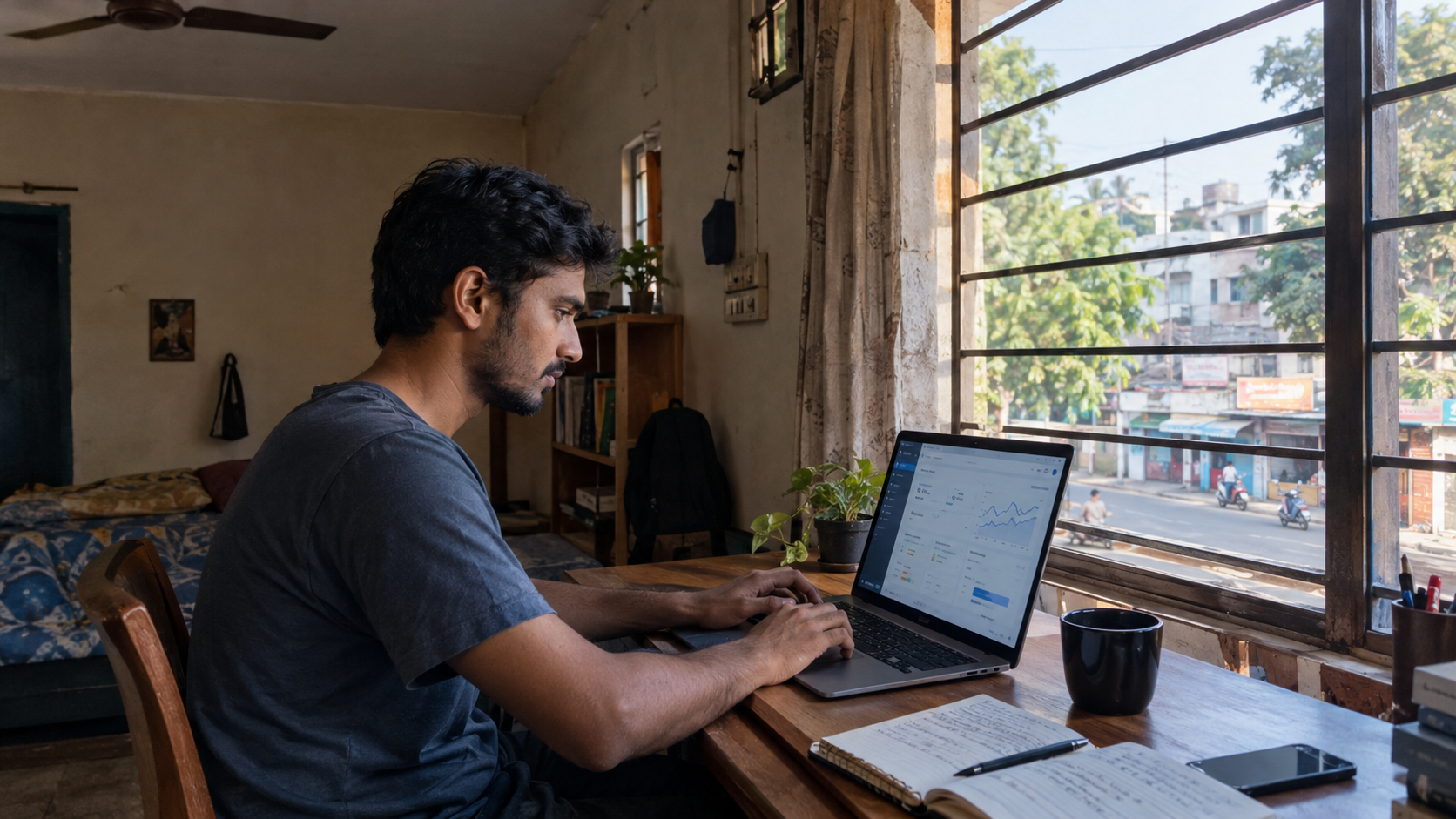
I started the company from my apartment in India. Most of my customers are in the US. On paper, that sounds pretty normal now. The internet makes geography feel irrelevant. In practice, it isn't always. My workday starts when some of my US customers are still asleep. By the time I'm getting into the really important part of my day, they're already finishing theirs. A customer sends a message at 10pm my time and I know that if it's something important, I'm probably dealing with it before going to bed. Sales calls were another adjustment. I initially tried to fit everything around my own working hours. That didn't work particularly well. So I started taking calls much later than I was used to. Some days I'm talking to customers at 9:30 or 10pm, then going back to development afterwards. There are also smaller things. Pricing in dollars while paying most of my expenses in rupees. Understanding how American customers describe problems. Figuring out which holidays actually affect my users. Learning that something I considered a "small delay" can mean a completely different thing when a customer is waiting for an issue to be fixed during their workday. But there's one thing I really like about it. I'm not limited to the market around me. I can wake up in India, build the product here, talk to a customer in California, get feedback from someone in New York and have revenue coming from a market I've never physically visited. I used to think being far away from your customers was a disadvantage. Now I'm starting to think the bigger challenge is simply designing your company around the distance. Different timezone. Different market. Different expectations. Still the same product.