FeedLaunchesDiskussionenChancen
Sprache
Werkzeuge New Mitglieder

Diskussionen

Gespräche über Aufbau, Wachstum und Strategie

emily jonesemily jones·2mo
discussion
Why I Built a Website to Track Muse Image Instead of Waiting for More AI Image Tools

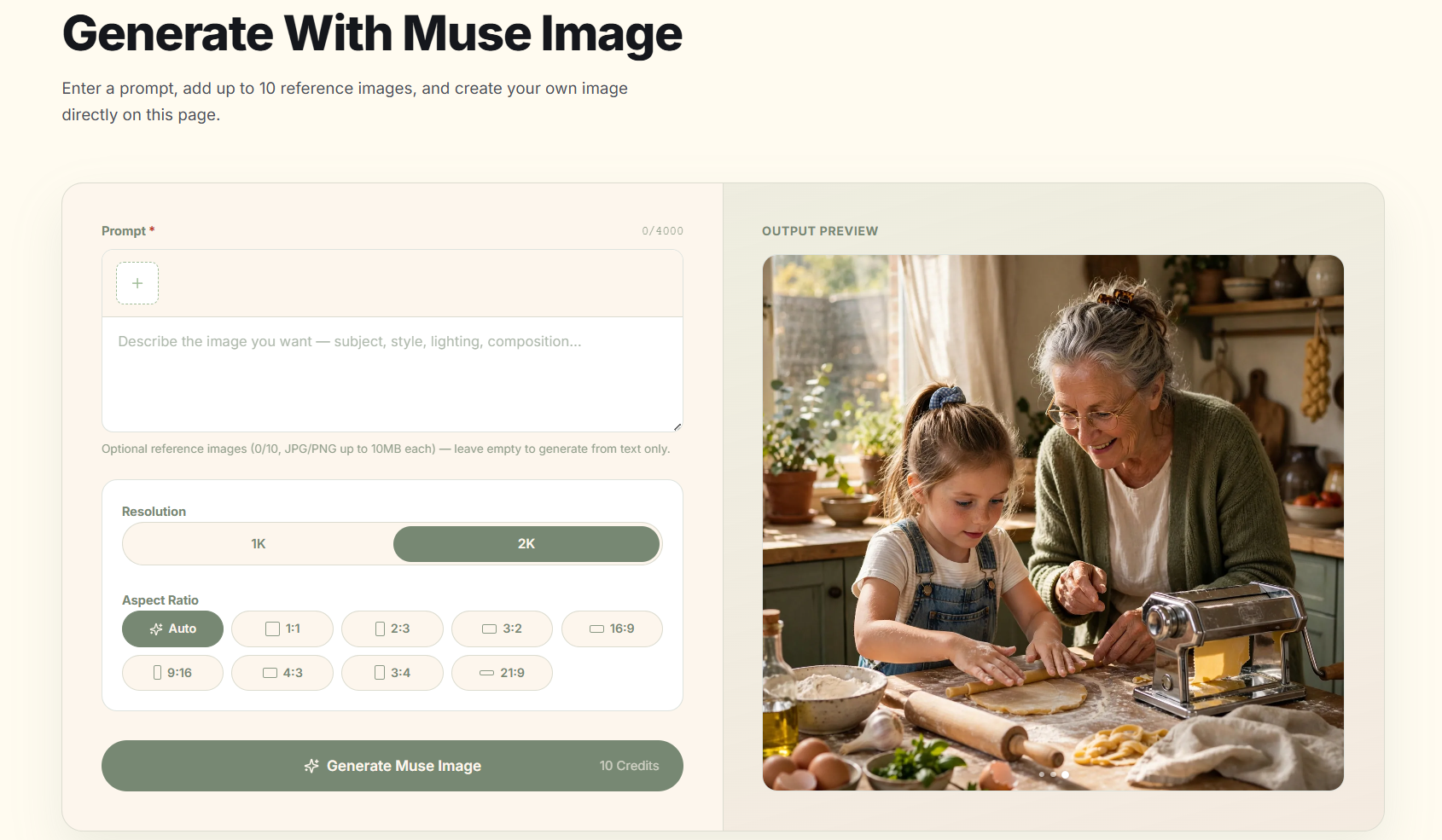
Over the past year, I've noticed something interesting about the AI image generation space. Every time a new model is announced, social media fills with screenshots, benchmark comparisons, and opinions within hours. But when I actually want to learn how a new model works, what it can do, or how it compares with existing tools, the information is usually scattered across blog posts, X threads, videos, and documentation. I found myself spending more time searching than creating. That became especially obvious when Meta introduced Muse Image. The announcement highlighted improvements in prompt understanding, image editing, multi-reference composition, and creative workflows, but practical information was spread across multiple sources. Instead of bookmarking dozens of pages, I decided to organize everything in one place. Building the project wasn't about launching another AI tool. It was about creating a resource that I personally wanted to use. While working on it, I realized something that probably applies to many founders: sometimes the simplest products solve the biggest frustrations. Rather than trying to compete with image generation models themselves, I focused on helping people understand them. As I collected information, I also started organizing topics that creators actually care about: * What makes Muse Image different? * How should prompts be written? * Which creative workflows are worth testing? * What kinds of projects benefit from reference images? * How might the model fit into existing design workflows? Those questions seemed far more useful than simply listing features. Another thing I learned is that creators don't necessarily need another AI model every month. They need better ways to evaluate new models, compare capabilities, and prepare before adopting them. That's why I built Muse Image as a focused resource instead of another generic AI directory. The project continues to grow as new information becomes available, and I expect it to evolve alongside the broader AI image ecosystem. Building this also changed the way I think about startup ideas. Not every founder needs to invent groundbreaking technology. Sometimes the opportunity comes from organizing information better, reducing friction, or making complex topics easier to understand. Those improvements may seem small individually, but together they create real value for users. I'm curious how other founders approach this. When a major AI model is announced, do you immediately start building with it, or do you spend time understanding the ecosystem first? I'd love to hear how other builders decide when a new technology is actually ready to become part of their workflow.

SaaSTechnologyProduct
Nick RudzisNick Rudzis·2mo
discussion
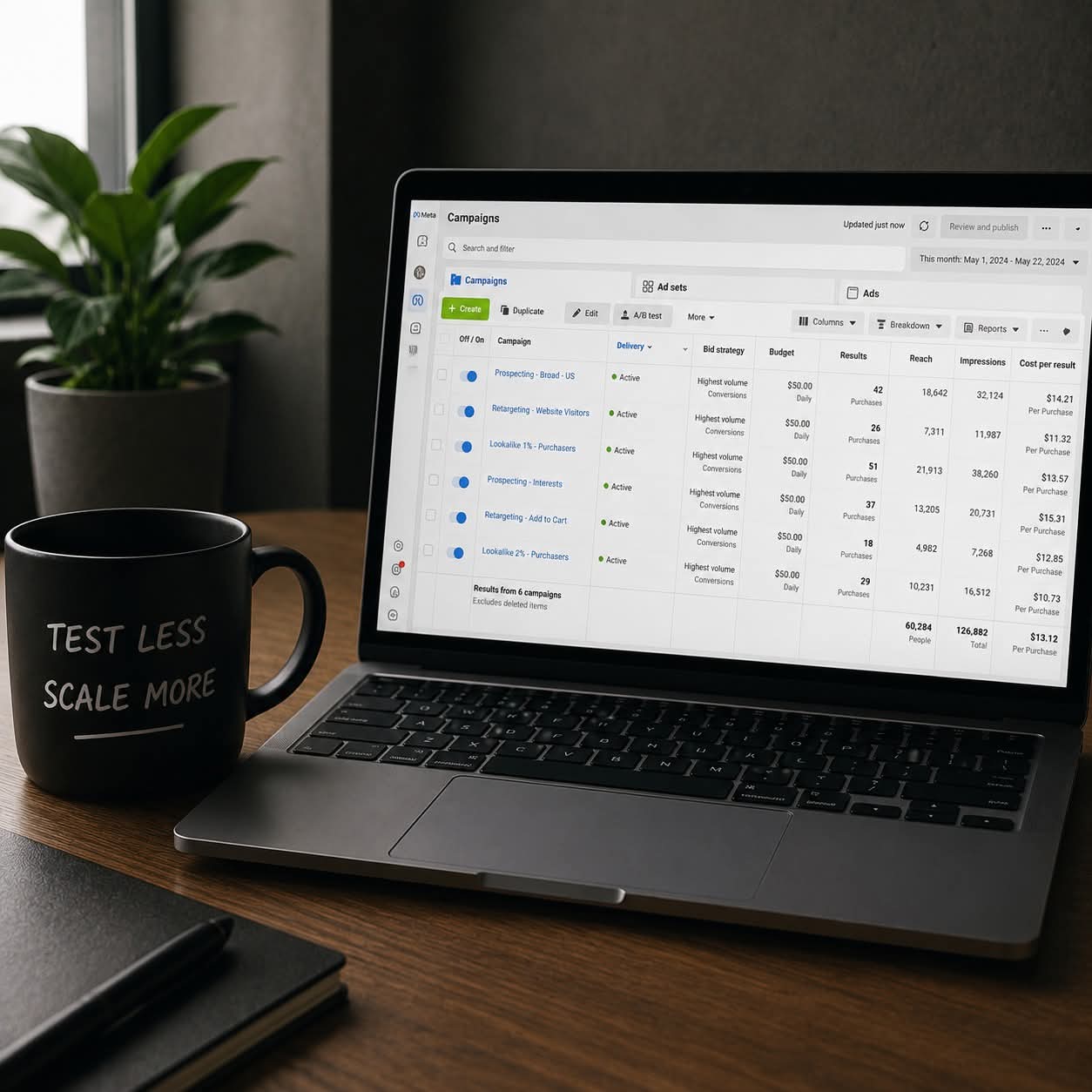
I Thought More A/B Tests Meant Better Results. I Was Wrong.

"The month I tested 20 A/Bs and learned nothing" Most people running Meta ads want to keep control of targeting. I get it. But at a small budget that's usually the wrong thing to be protecting... Here's what happened that changed how I think about it. I had a client, restricted budget, and we were testing hard. 20 A/Bs a month. And we were stuck. Results wouldn't move. At some point I made a call: maybe we're not testing the angle, we're just drowning it. Too many variables, not enough spend behind any of them to ever get clean data. So we did the opposite of what felt right. We tested less. Cut it to about 20% of what we were doing and let Advantage+ take over the rest — let it develop, gather data, do the targeting. Two weeks later we doubled the previous month's results at a lower CPA. Less work. Better results. No brainer. Here's how I actually decide now, by budget: Under $5-10/day per ad set: don't expect to test anything. There's no data down there. If you just need your message in front of the right people, use detailed targeting and take what comes. Bigger, but under ~$3k/month: go Advantage+. Meta is strong enough today to get you real performance, and you don't have the volume to test targeting manually anyway. Spending more, with real funnel levels: now use your own data and custom audiences. Before that, there's a high chance you don't have enough data and it ends up all over the place. And when someone tells me they don't want to give Meta control? Meta wants you to spend money. To do that they trained a machine on billions of dollars of ad spend to limit your testing and find your buyers. On average it gets better results. Yes, sometimes it shows your ad to someone completely off. But it also shows it to people you'd never have targeted — buyers no manual detailed-targeting setup would ever have found. So why not give it a shot? Advantage+ won't test your placements for you. But it'll test your angle. And the angle is the first thing you need to get right before anything else matters. Curious where people land on this — are you still targeting manually, or have you handed it over?

GrowthGrowth
discussion
How the World's Most Valuable Company Changed Every Decade

The world's most valuable company has changed dramatically over the past few decades. IBM led in 1990, General Electric in 2000, ExxonMobil in 2010, Apple in 2020, and by 2026, Nvidia has reached the top as Al reshapes the global economy. Each leader reflects the defining technology of its era. Mainframe computing powered IBM, industrial and financial strength fueled GE, energy demand lifted ExxonMobil, smartphones transformed Apple, and artificial intelligence has accelerated Nvidia to a market value exceeding $4 trillion. The pattern is clear: leadership doesn't last forever. Every decade rewards companies that anticipate the next technological shift before everyone else. The businesses that define tomorrow are often building the future long before the rest of the world recognizes it. Follow Anchor us for more!

entrepreneurbusinessEntrepreneurship
Sarah PetersonSarah Peterson·1mo
discussion
AI Made Building a Startup Easy. So Why Is Getting Customers Still So Hard?

I’ve been thinking about this a lot lately. A few years ago, one of the hardest parts of starting a software company was actually building the software. You needed developers, designers, time, money, and sometimes months of work just to get something usable in front of people. Now? You can have an idea in the morning, use AI to help you build it, deploy it, and have something real to show people by the evening. That part has become ridiculously easier. But then you launch it and realize something uncomfortable: Nobody cares. You can build the product faster than ever, but you still can’t force people to use it. And I think this is where a lot of founders are getting stuck. AI has dramatically reduced the cost of building software, but it hasn't reduced the difficulty of earning attention and trust. In fact, it may have made that problem worse. Because when everyone can build faster, there are suddenly more products competing for the same limited attention. Your product isn't competing only with companies that raised millions anymore. It is competing with another founder who spent their weekend building something similar with AI. So the advantage is slowly moving away from "Can you build it?" It is becoming: Can you get someone to notice it? Can you explain why they should care? Can you earn enough trust for them to try it? Can you get them to come back? This is also why I’m starting to think distribution is becoming one of the most important founder skills. You don't necessarily need to become an influencer or spend thousands on ads. But you do need to learn how to talk to people, find where your users already hang out, create useful conversations, build relationships, and consistently put your product in front of the right audience. AI can help you build the product. It can write your landing page. It can help with your emails. It can even help you research your market. But it can't magically make people care. And honestly, I think that's a good thing. Because if building becomes almost free, maybe the real test of a startup isn't who can build the fastest anymore. Maybe it's who can understand people the best. What do you think is harder today: building the product or getting the first 100 customers?

SaaSGrowthGrowth
Join to continue engaging

Built for vibe-coders, builders, solo devs, Indie Hackers, and anyone building in public. We're now 10,000+ founders strong, and it's completely free to join.

28 Hackers · CA · This week
30 Founders · UK · Today
Install our Shortcut App on your device